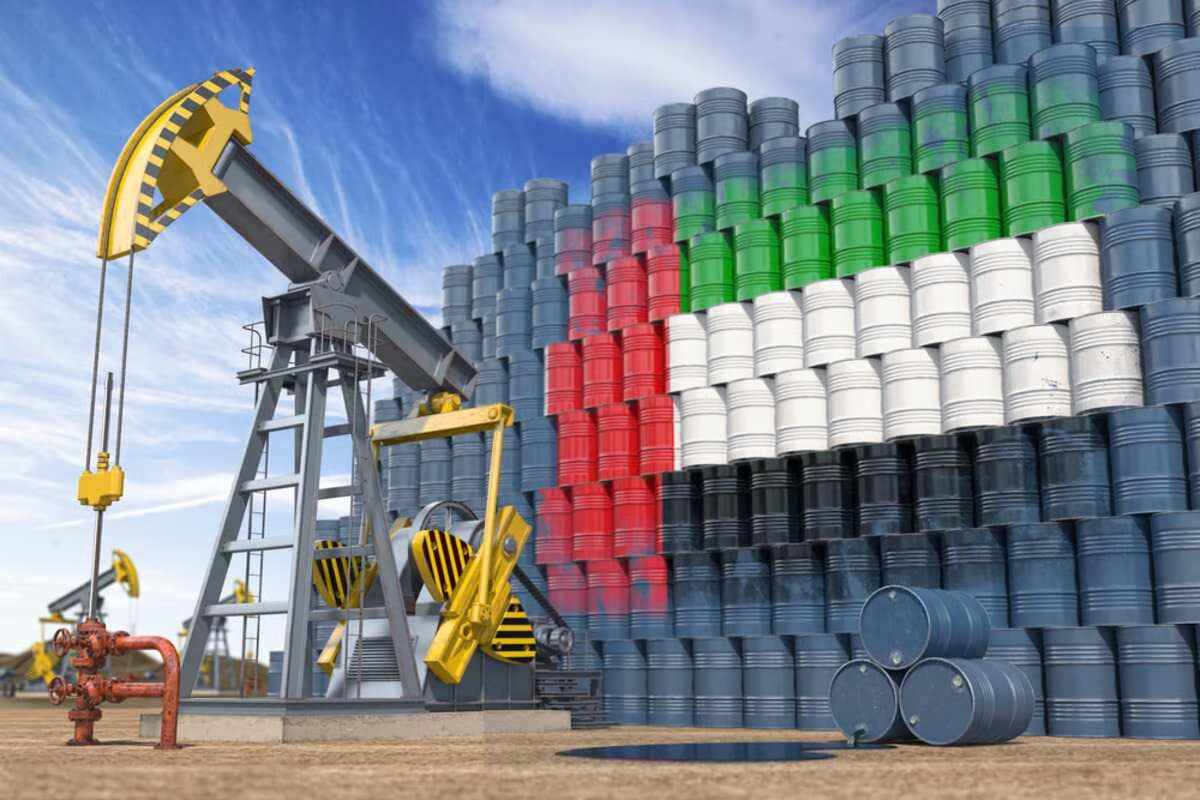
The United Arab Emirates is one of the largest crude oil exporters in the world. Despite its small size, the UAE can compete with countries like Brasil and China in terms of oil production per country. It holds the 7th largest oil reserve in the world, harboring major opportunities for drilling, exploration and engineering, bringing multinational corporations to thrive in the Gulf. Derivatives like gasoline, diesel, jet fuel, petrochemical derivatives and natural gas are sold in UAE to worldwide buyers. With global companies thriving in the UAE and the country’s rapid expansion and developments, the nation is a superb hub for global fuel trade.
The countries strength of being located by the Red Sea, and their accessibility to nations like like Russia, Saudi Arabia and many other middle east nations makes it a prime location for trading petroleum. The UAE, especially Dubai attracts traders from all around the world, making it a truly international hub for productive trading. The best Emirate for high quality connections and commerce is Dubai. Its strategic Jebel Ali free zone and Dubai International Financial Center (DIFC) free zone have become the nucleus of trade in the Emirate. A free zone, meaning, no tax is paid on income and profits by companies that operate within these zones. There is also no import or export duties, which lower costs for companies that want to trade internationally.
Despite being smaller than many Gulf countries nearby, the trade opportunities are still very high because regulations and frameworks are set up to invite international trade, in a extremely modern city. This attracts not only high-class investors and traders but sadly, of course scammers. It takes a keen eye to spot the best buyers and sellers in a large crowd of noise. Check out Melpetroix to get connected with the best buyers and sellers in the global fuel industry.
Global leaders in fuel and oil trade like Houston, Singapore and the ARA area have flourished because of important factors such as having a range of ports and storage facilities. The UAE is no different. They too have many large oil storage facilities and many key ports for the region. Abu Dhabi has the bulk of the nations oil reserves holding around 92 million barrels of oil, 83% of the country’s total capacity. Offshore of Abu Dhabi, the Zakum field holds the majority of the Emirate’s oil reserves. Dubai and Sharjah have 4 million and 1.5 million barrels of reserves respectively which set those Emirates for commercial success and allowing investment into other sectors, with lower reliance on oil compared to the capital. The wealth and profits from the fuel and oil industry was reinvested into infrastructure, healthcare, education, tourism and sectors that critically enabled the UAE to be one of the most developed countries in the middle east.
Emirates like Fujairah and Sharjah are strategically located along the Strait of Hormuz allowing for large scale oil refineries and storage facilities. The Strait of Hormuz is one of the world’s most strategically important choke points and is the only connection from the Persian Gulf into the Ocean. This is why the Fujairah Oil Industry Zone (FOIZ) is located right by the Port of Fujairah, in the heart of some of the planets most important oil routes, stretching from the Suez canal to the East of Asia. FOIZ hosts the Middle East’s largest commercial storage capacity for refined oil products. It has the capabilities to store more than 70 million barrels. It also hosts 18 oil terminals from a range of prestigious global companies. The FOIZ ensures prosperous growth in the sector for Fujairah overseeing quality, safety and development, enabling long term growth in a global market.
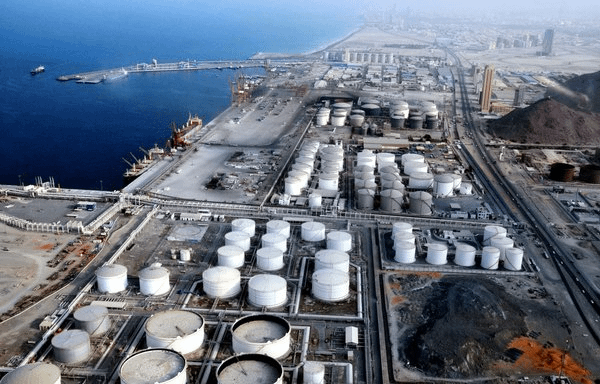
The UAE is not just Dubai and Abu Dhabi. It is the strategic location of the entire nation and the different roles each Emirate plays in global trade which makes the country so strong in fuel trading. The country is becoming less and less dependent on the fuel industry but it does not mean it is going away any time soon. The price of fuel is so volatile and being able to harness this volatility can yield extremely profitable results. The UAE is really the place to be for global fuel trading.